If it's clear to you that you aren't to enter my property, you don't enter my property and it doesn't matter how difficult I make it for you to do what you already know is wrong.
The issue here is the severity of the sentence, not his guilt, and especially not blaming the victim.
No actually the "crime" was "anticipatory obstruction of justice" for destroying evidence in a federal investigation. Actually accessing the account was a misdemeanor.
Look I think this is a stupid kid who doesn't deserve a year a in jail. But you don't get to trivialize a crime because it was "easy". Just because my neighbors door was unlocked and I "just walked in" doesn't give me the right to do so.
If the door is closed and locked it is breaking and entering which is a felony that brings prison time.
If the door is open and unlocked it's trespassing which is a misdemeanor and will seldom get jail time.
Do you really think a criminal who walks up to a house with a lock pick in hand and then finds the door unlocked gets charged with a lesser crime?
From Legal Dictionary's entry on "Breaking and Entering"
"The criminal act of entering a residence or other enclosed property through the slightest amount of force (even pushing open a door), without authorization. If there is intent to commit a crime, this is burglary. If there is no such intent, the breaking and entering alone is probably at least illegal trespass, which is a misdemeanor crime. 2) the criminal charge for the above."
The world is not a video game.
The difficulty required to break into someone's email account has absolutely nothing to do with the legal implications of doing so. It is very possible that you could be convicted of a felony for reading mails on a passwordless email account.
Stay the hell out of other people's email accounts. Jiminy.
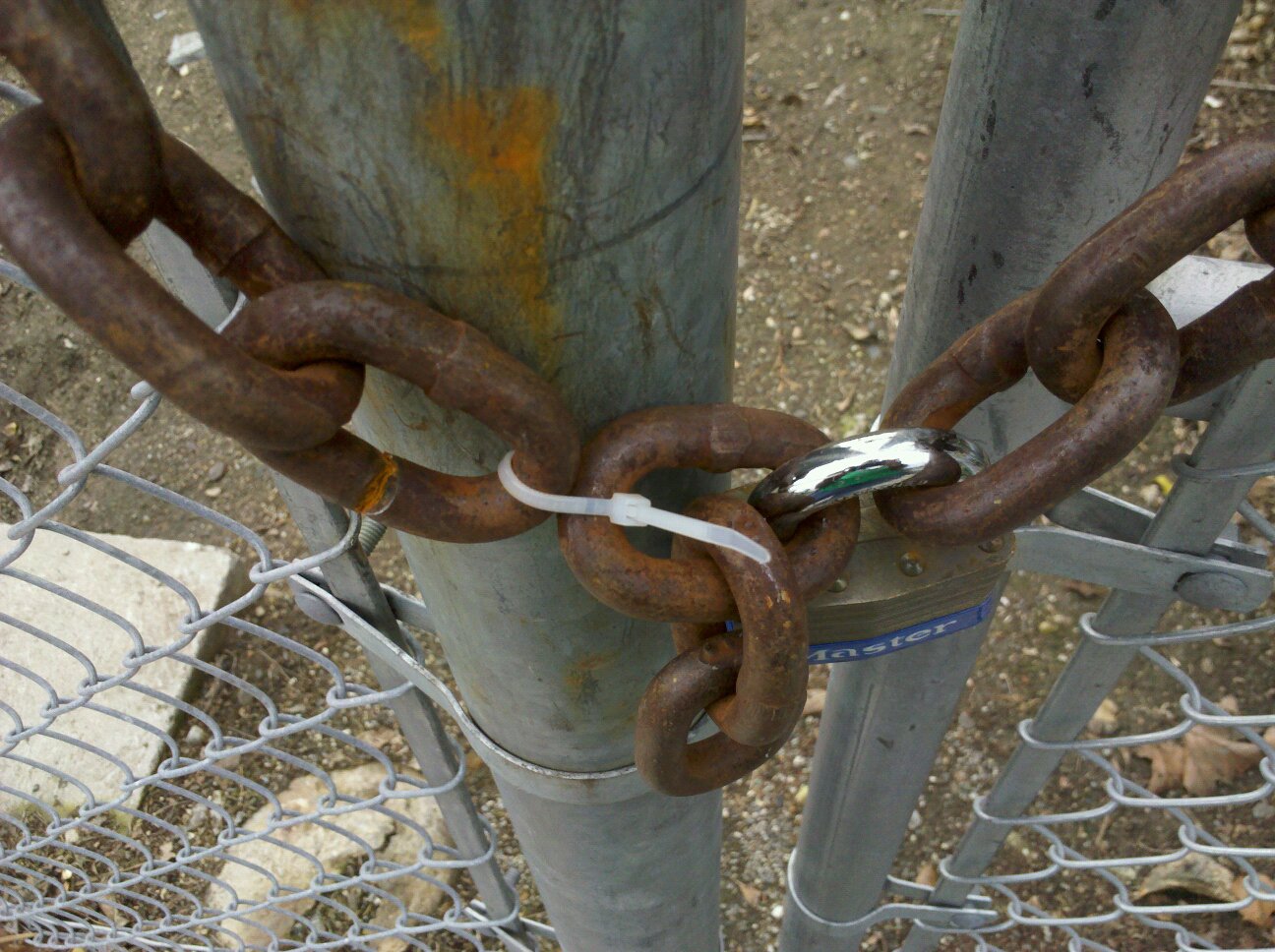
Related: http://i.imgur.com/rGtgr.jpg
source: http://www.wired.com/threatlevel/2008/09/palin-e-mail-ha/
He didn't even have to guess or crack a password. This is really a major security flaw on yahoo's part, which still exists. The fix in the meantime is to avoid accounts with such questions, or to answer them with random strings of characters.
Should this even be a crime? I propose that to keep something secret you should have reasonable security measures. Easily guessable security questions like mother's maiden name as used by banks should not be considered legitimate protection any more than using a bag twisty to hold a gate closed should be considered the same as a chain and padlock.