You kind of can, depending how you amortize equipment costs. This is how I've been doing this and it seems to be a good tradeoff between low initial cost, low effort and hhigh efficiency.
Up front you'll need a) a laser printer (any old laserjet will do) b) a hacked paper laminator (to increase its temperature) c) an etching tank with an aquarium bubble pump for water circulation and an aquarium heater. You'll find most of these in any hackerspace.
Then, for each PCB you'll need wax paper (even glossy magazine paper works perfectly) and copper clad FR4. Print your mask (mirrored) on the paper, clean your copper board (with steel wool, then with acetone), transfer the mask using the laminator. Then etch it.
This gives you a one-sided, undrilled PCB with 6 mil traces [1]. Good enough for the occasional SMD breakout.
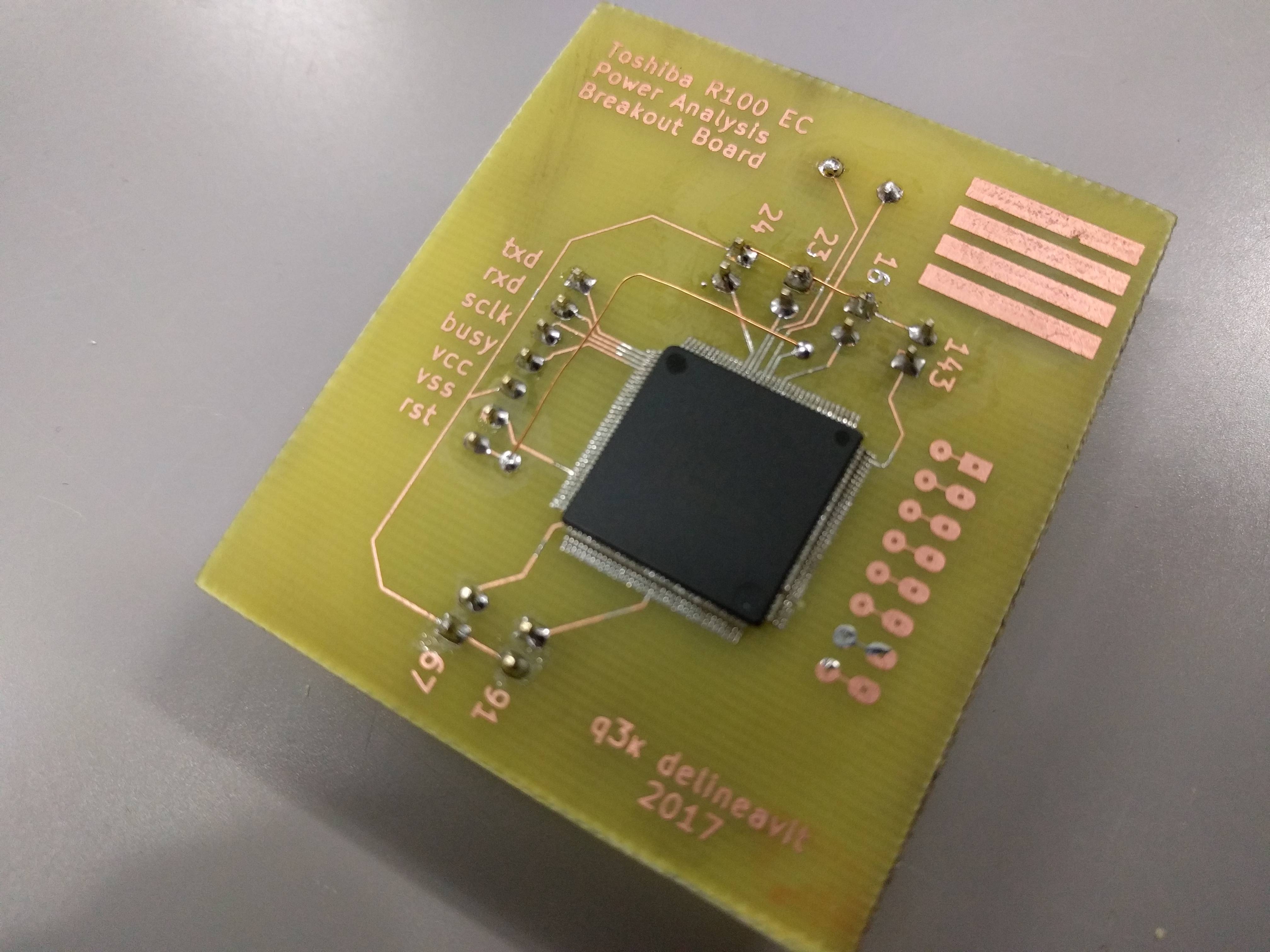
None of these options is really viable, and if I could make a PCB myself in half an hour for $1, I would jump on that.