This is the distribution of federal spending: https://www.cbo.gov/sites/default/files/cbofiles/images/pubs...

Social Security, Medicare, and Medicaid consist of almost 50% of the federal budget. If you include "Other," which includes other welfare programs such as veterans benefits, federal food stamps, as well as "Non-defense," which includes additional veterans benefits/housing/health, you can see that a very large percentage of the federal budget is on welfare programs.
Military budget in the US is obviously absolutely atrociously massive, but it is only about 15% of the budget.
If you look at the federal debt, you can see that the trajectory doesn't look great: https://upload.wikimedia.org/wikipedia/commons/a/ac/Total_US...
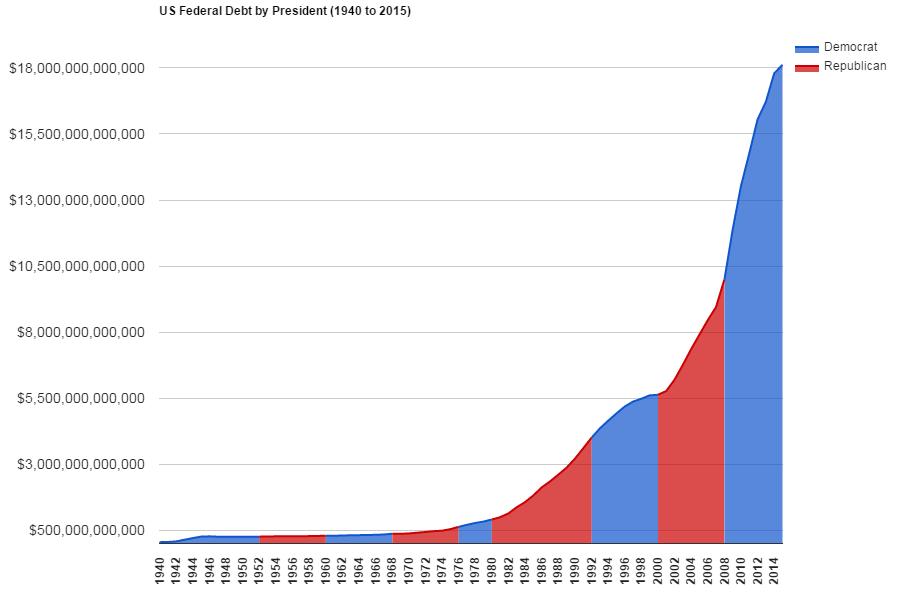
So I don't think it is at all fair to say that the US is not a welfare state, particularly when compared to the foundation of the country being rooted in laissez-faire classical liberalism. I am all for the discussion of mitigating attempts on economic distribution of wealth, but what we have in place even now already far surpasses what the budget is capable of facilitating (in terms of cost, not strategy or outcome).
When I step back and look at it in a larger picture, I kinda see a welfare program that demands its recipients stay in shape and follow some special rules.
Conversely your own argument can simply be stated as
"We have a smaller welfare state than most other industrialized countries"
So I don't think you successfully argued that we don't have a welfare state at all.
By the technical definition, yea, it does seem to.
But we're not even close to a libertarian enough nation to just ignore the problems that corporations create for our citizens, even if those problems could be avoided by personal responsibility. And "soul searching" is waaaay too far up Maslow's hierarchy for most US citizens to even start considering.