Perth circa 2011/2012 was quite the boom town.
Of my friends who graduated in 2012/2013 and found jobs in O&G/Mining, most of them have since moved interstate/internationally and switched from resources to different industries or gone back to study after the boom receded. But for a while there engineering graduates were going straight into 120k salaries doing fly-in-fly-out work on mine sites.
In Australia it's mostly along some of the coast. In Canada it's mostly in a small strip just to the north of the USA.
Contrast to Europe. Lots of population everywhere. Contrast to the USA. The eastern third of the country is quite developed, as is a good part of California.
Here’s a map: https://johnstonarchitects.files.wordpress.com/2012/04/pop_l...
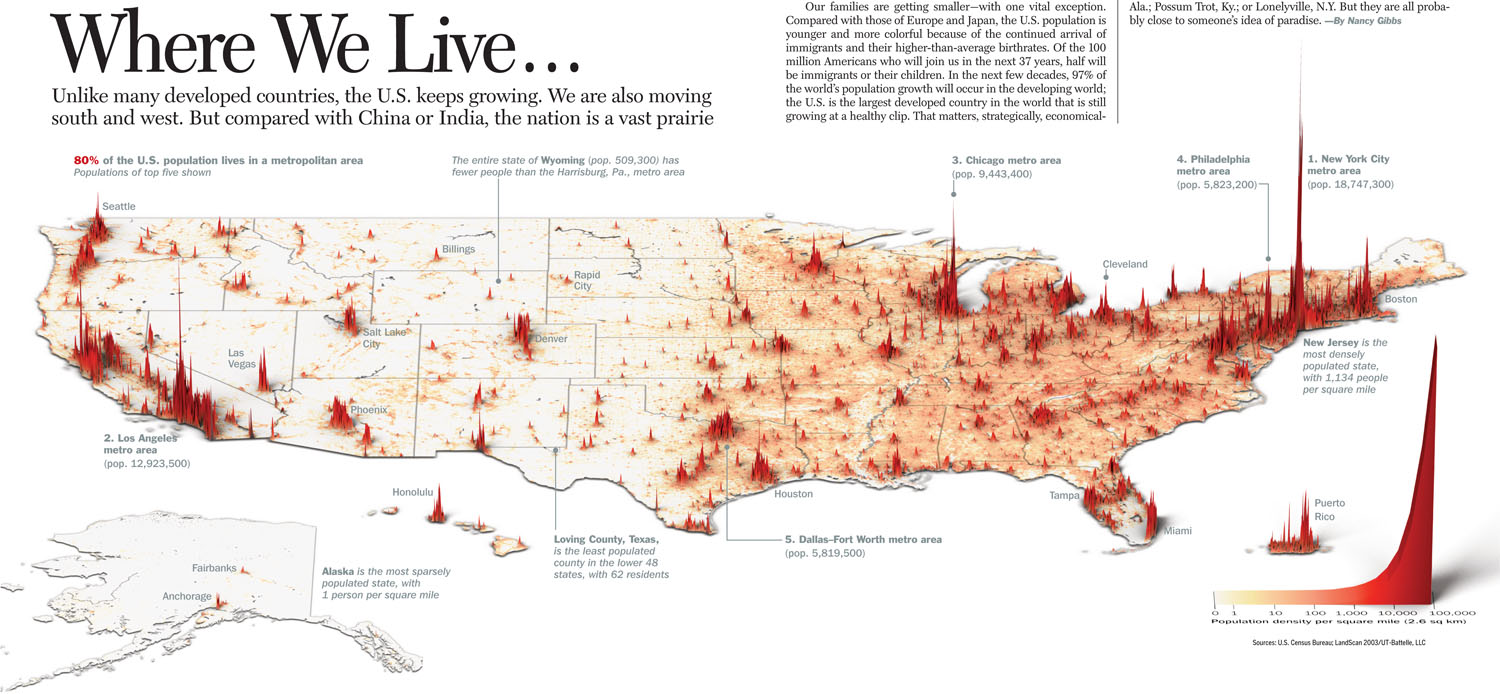
[1]: I have to qualify it with "the parts I fly over" because obviously I'm flying over the southern part of the state. Head north and you start getting vast tracks of wilderness, and the upper peninsula is effectively not populated. There's just a few beads of "civilization" tied together by some fairly long roads, which are themselves most of the rest of the "civilization", and then it's square mile after square mile of wilderness.
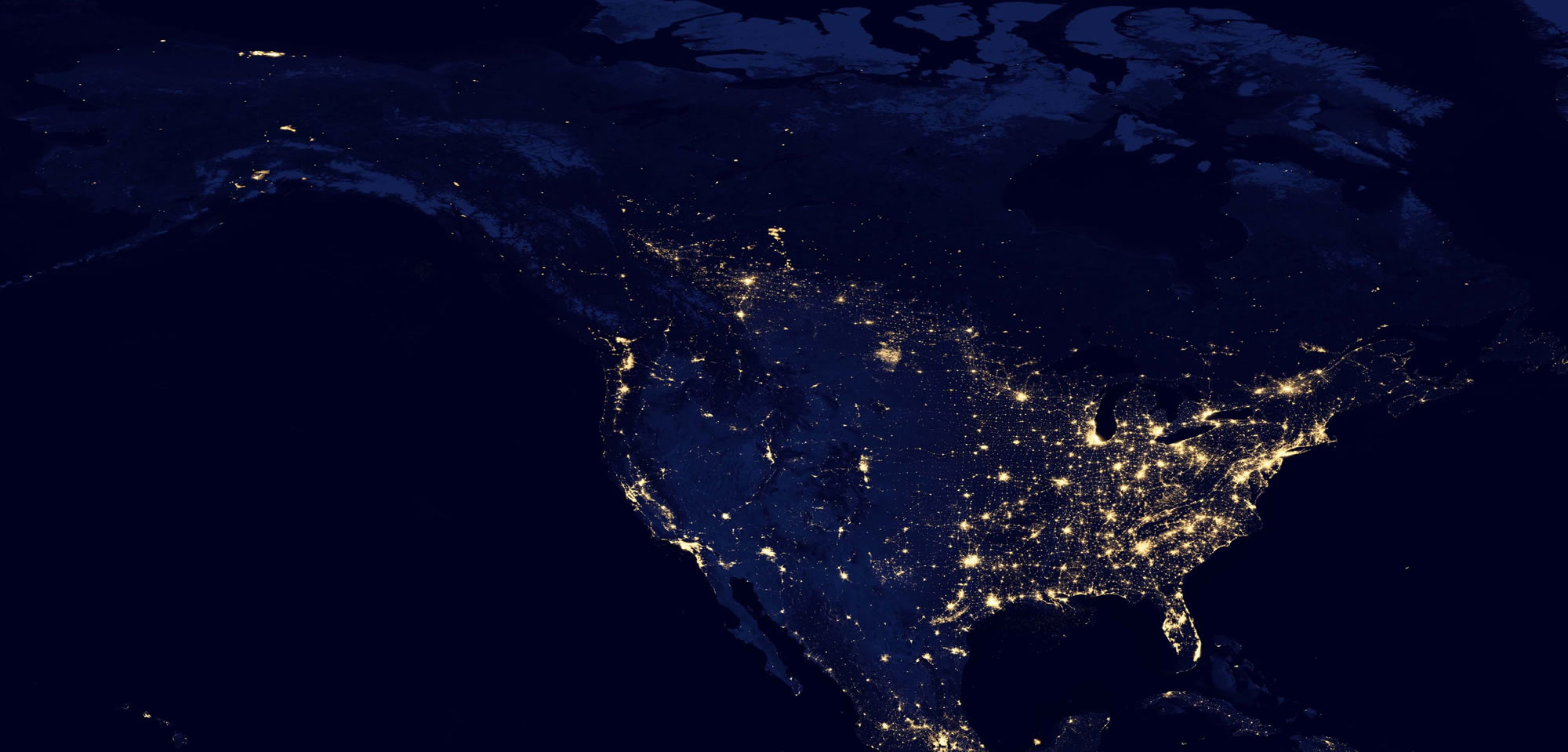
So, yes, Texas is comparatively under-developed.
It fits a pattern that also fits Australia and Canada... people don't want to live as much where it is extremely dry, or extremely hot / cold.
A lot of that $88 billion (Gorgon and Wheatstone) was spent on local labour and supplies. And Gorgon was one capital project. At the height of the boom, there were hundreds of billions of dollars of capital projects underway simultaneously across Australia.
When I was last in SF a few months ago it reminded me of Perth at the height of the boom.
And I found it unsettling.