http://www.ci.slc.ut.us/winter-inversions-what-are-they-and-...
Texas ~ 27 million
Delhi - 18.6 million
Your link says 21.8 millions for Delhi metro (as your quote specifies it). A figure that is dated from 2011. At that time, according to your other link, Texas was somewhere around 25.6 millions.
So, Delhi metro population was about 85% of Texas. Given the comparative growths, this percentage has probably raised a bit during the last 5 years. Overall "almost" looks to me as a correct approximation.
"According to the 2011 census of India, the population of Delhi is 16,753,235."
There is no source for the figure of "Delhi metro area" so not really very scientific is it? 2011 was the last year for which there was census data.
2) "It is the most expansive city in India—about 1,484 square kilometres (573 sq mi). It has a population of about 25 million, making it the second most populous city after Mumbai and most populous urban agglomeration in India and 3rd largest urban area[7] in the world"
source: Third sentence of https://en.wikipedia.org/wiki/Delhi
Here is the link to the official Indian census data:
http://www.census2011.co.in/census/city/49-delhi.html
which states:
"As per provisional reports of Census India, population of Delhi in 2011 is 11,034,555; of which male and female are 5,882,117 and 5,152,438 respectively. Although Delhi city has population of 11,034,555; its urban / metropolitan population is 16,349,831 of which 8,750,834 are males and 7,598,997 are females."
That is not 22 million or 25 million, it is 16.3 million!
The population of Texas is an order of magnitude more in population. So yeah the OP was wrong.
Please substantiate your claim of otherwise with actual data.
Source:
http://pibmumbai.gov.in/scripts/detail.asp?releaseId=E2011IS...
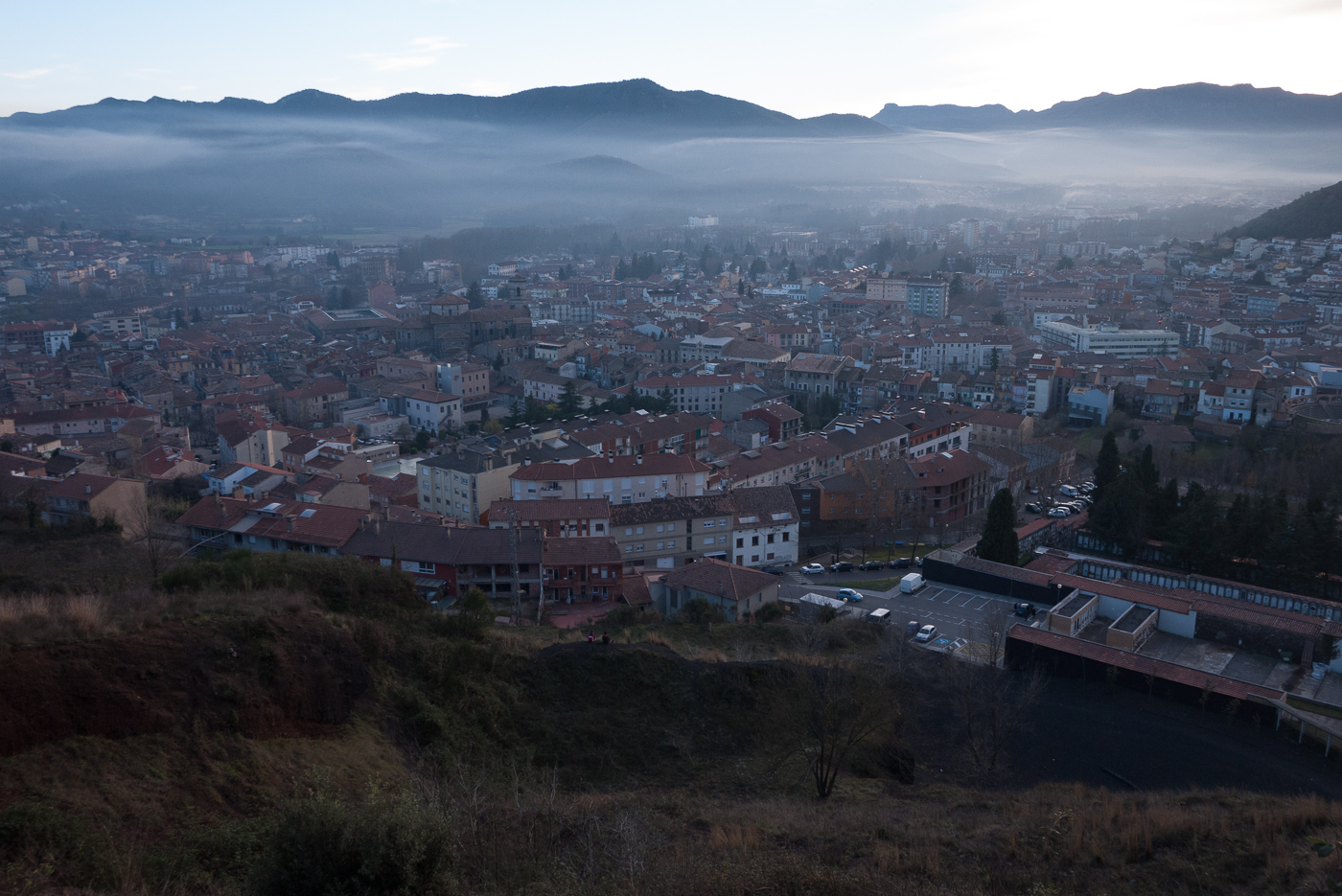
Delhi and LA have similar problems in that they are both at the foothills of a mountain range (in Delhi it's the Aravali mountains). This makes it much more difficult for the pollution to dissipate once it's there, because the mountains obstruct wind and airflow. LA has been making efforts for decades to reduce emissions, but the payoff has been incredibly slow for this reason.
Of course, Delhi is a much larger and densely populated city - the Delhi metro area has almost the same population as the entire state of Texas - and it's also nowhere near as wealthy as LA. All three of those factors make it much harder to address pollution directly and much slower for the benefits to actually start manifesting.