stewh_eng
I am very sceptical PPG alone will be capable for many reasons. Aktiia does indeed have European regs clearance. But, they don't have FDA clearance. The FDA is a very different beast (more hands on - and they'll be absolutely much more heavy with such a new approach) - and they must have concerns on the approach for it to take this long. The FDA even has accelerated programmes for breakthrough high impact tech as they really do want it to get to market safely.
The main cuffless FDA cleared devices I know measure the pulse transit time betwen a central ECG patch and a peripheral based PPG (that time is then calibrated to a BP with the Moens Kourteweg equation) - see Biobeats watch and a now defunct wearable ICU monitor company I can't find the name of.
The issue with PPG is that it is wildly sensitive. The PPG waveform morphology will changed dramatically based on the pressure of the sensor against the skin, unconstrained changes in orientation of the human and arm etc. Changes in morphology != changes in system wide BP.
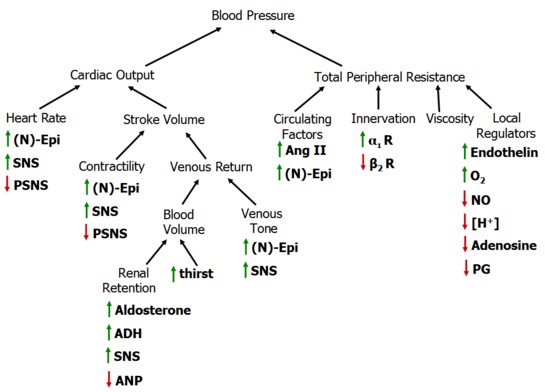
Speak to an anaesthesiologist and they'll tell you blood pressure is function many things eg cardiac output, stroke volume, heart rate, blood volume, total peripheral resistance etc etc (https://www.sharinginhealth.ca/multimedia/images/blood_press...). The question is whether PPG alone can measure all these things. I suspect it's really just measuring lots of proxies of all these things. And that's fine - however in the presence of people with conditions or on therapeutics that alter these in very personalised and unpredictable ways then error may start to creep in on free living measurement. Paradoxically, it's probably these people for whom this tech would have most impact - not the worried well.